
It is not often as an educator that one has the privilege of moving into a brand-new campus. Even more rarely does one have the opportunity to contribute, even in a small way, to its design and construction. Yet, like nesting birds, educators are constantly redesigning, overhauling and repurposing the spaces in which young lives are nurtured.
Architect Frank Lloyd Wright famously said:
This idea has guided the development of Broadacres Academy’s campuses over the past eight years.
Our motto, Learning, naturally, is rooted in constructivist principles: hands-on, developmentally appropriate learning that emerges from connected relationships and takes place in organic, engaging environments. We want children to feel safe, nurtured and free to explore, while experiencing authentic African spaces that reflect our values and educational philosophy.
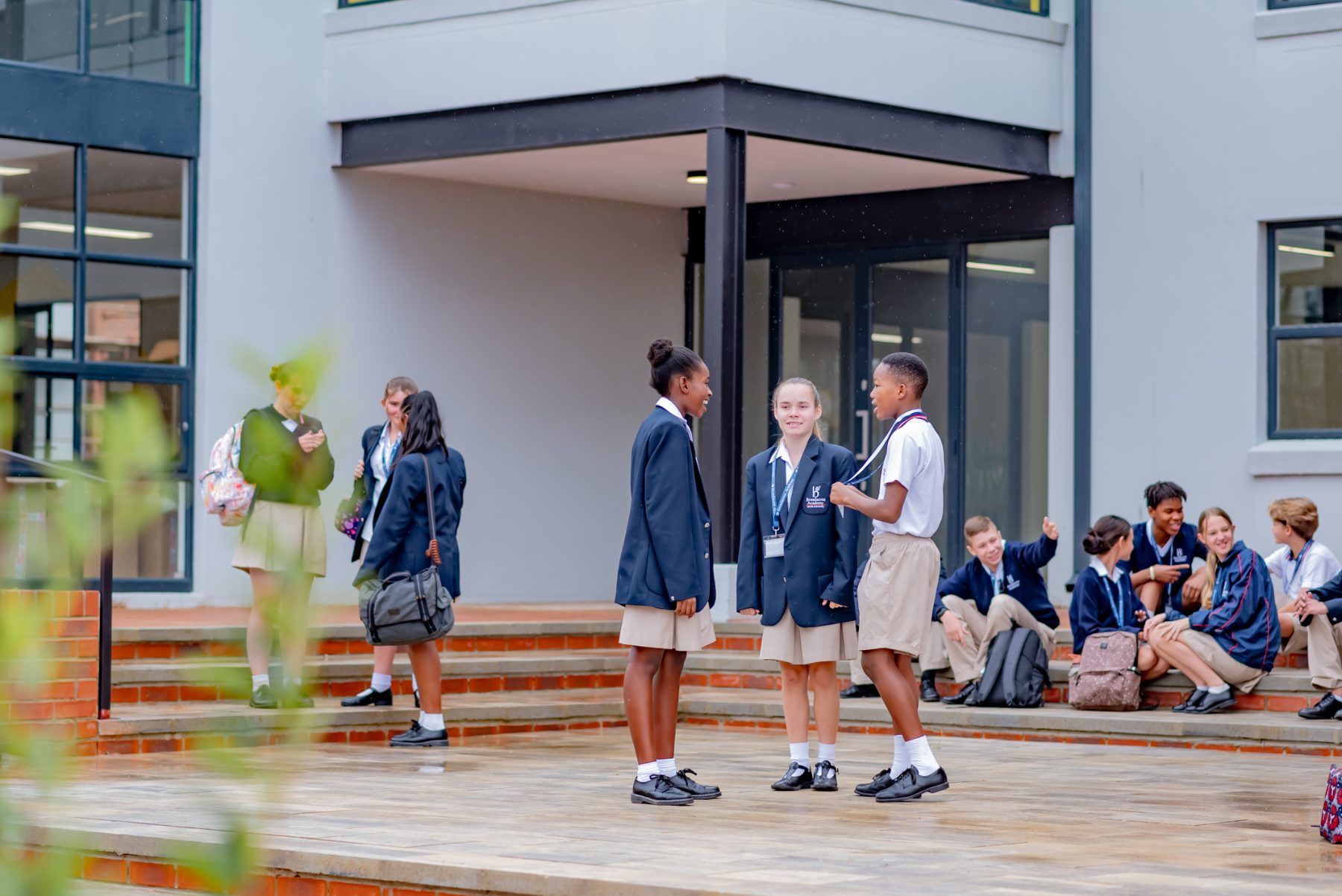 Watch
WatchThe Syringa Campus (Preschool & Jnr Prep)
The first of our three campuses, the Syringa Road Campus, draws inspiration from the Broadacres Farm and Nursery School established 40 years ago in rural Fourways. Although now surrounded by suburbia, the campus recreates the sensory richness of childhood farm experiences — open spaces, natural materials, animals, sunlight and opportunities for discovery. Today, it serves up to 500 learners while retaining the feel of a spacious Highveld homestead.
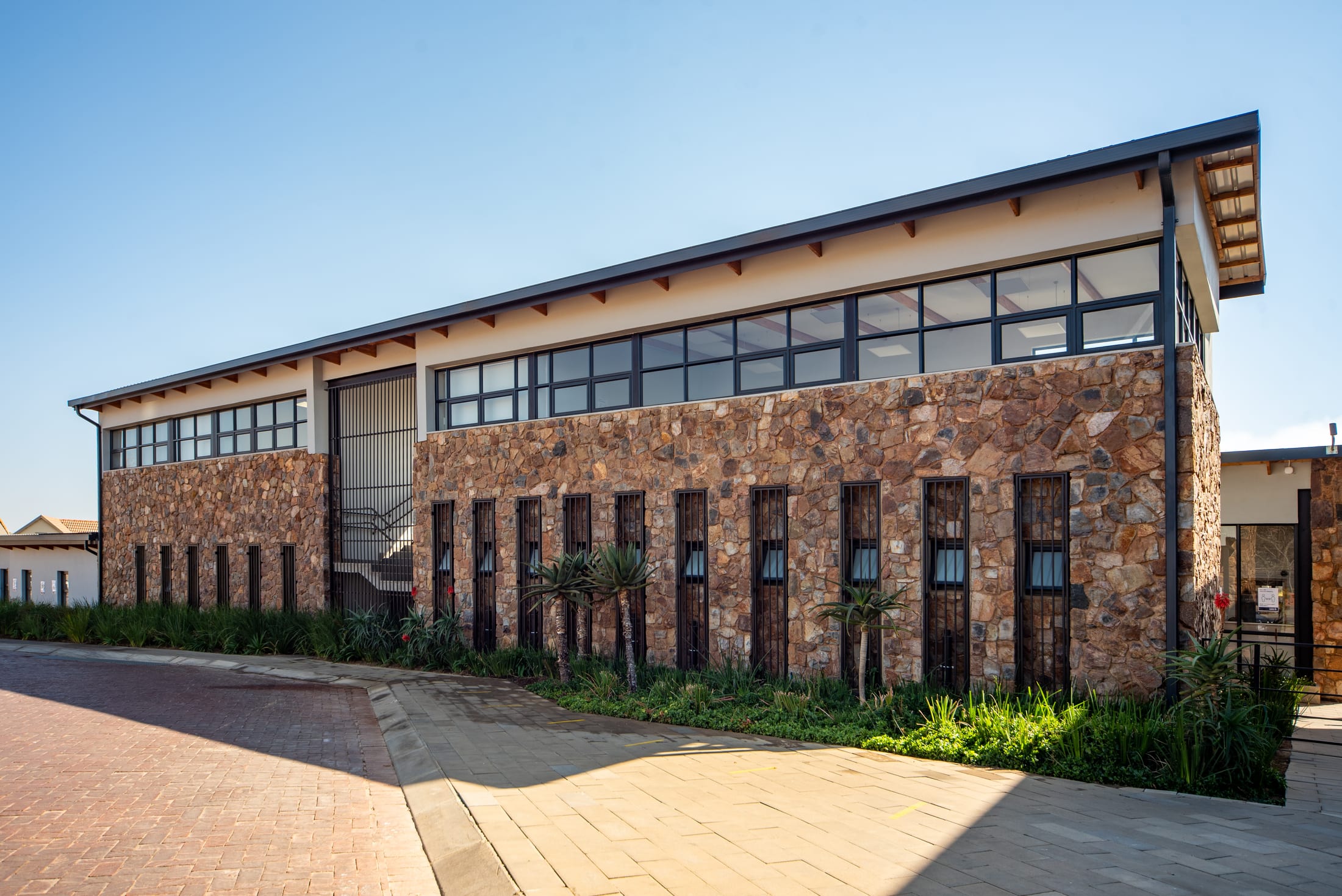
Chartwell Campus (High School)
Our High School campus, completed in 2022, extends these design principles into a space that prepares adolescents for adulthood. Filled with light and connected to a natural wetland area, it combines agricultural and industrial design elements to create an environment reminiscent of a university campus or modern business headquarters.
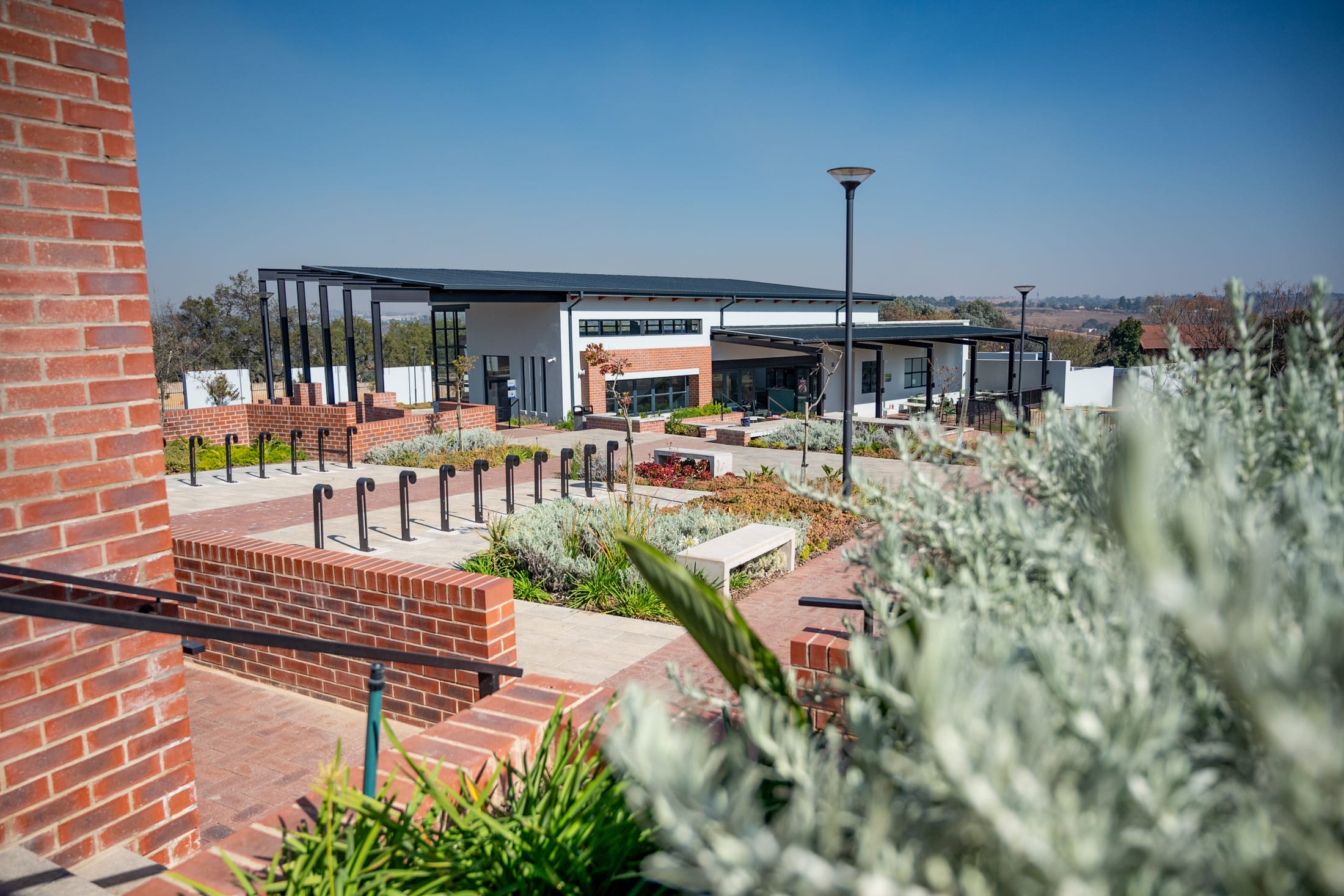
Chartwell Campus (Senior Prep)
The most ambitious project was our Senior Preparatory campus, completed in 2024. Situated alongside the Chartwell Wetland Conservancy, it intentionally incorporates existing grasslands, rockeries, pathways and natural vegetation into the learning environment. Conservation and education go hand in hand here, with outdoor classrooms, natural playscapes, indigenous biodiversity and spaces designed to encourage exploration and wonder.
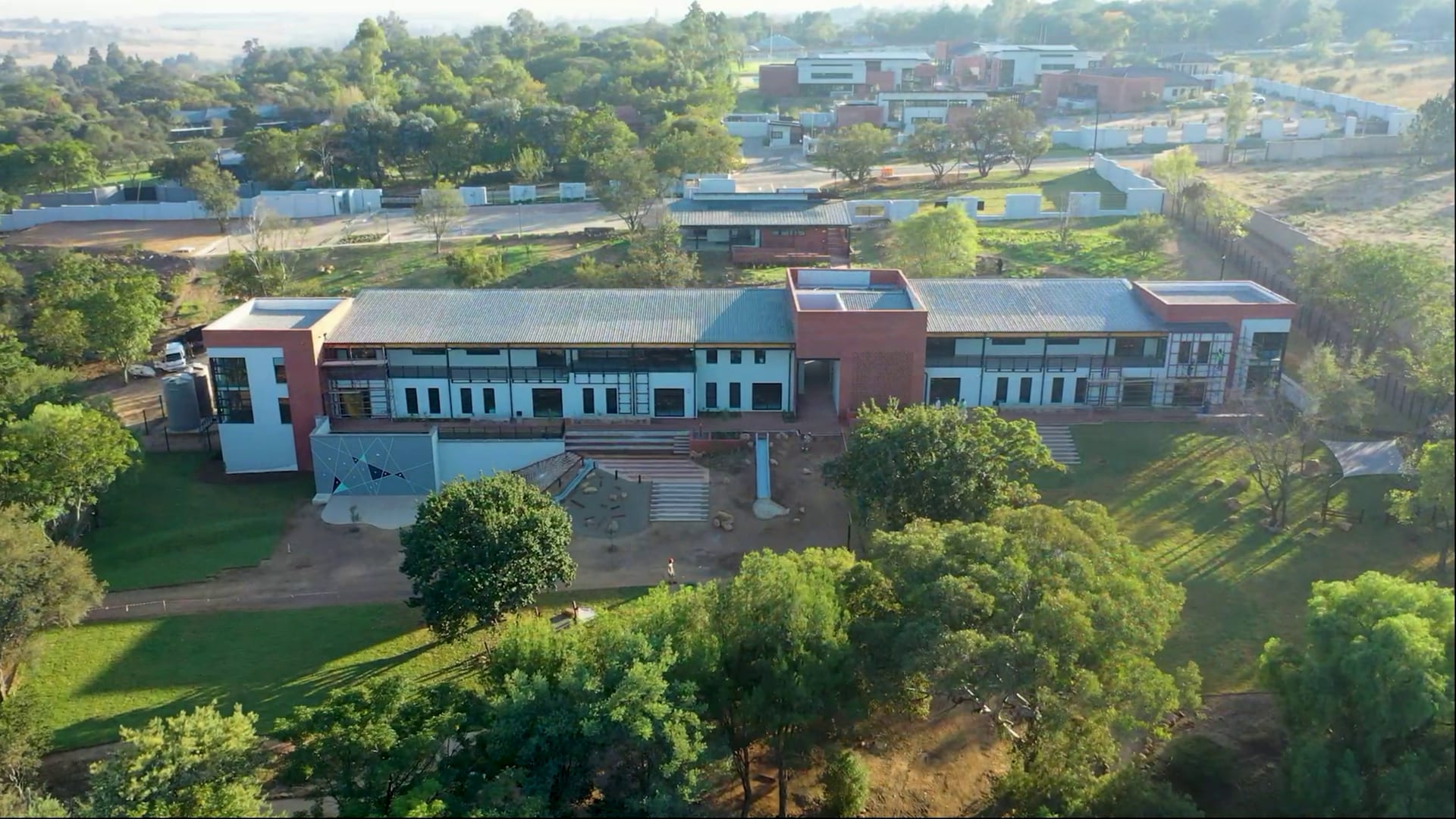
Lessons from the landscape.
One of the most valuable lessons from these projects is that while buildings may be significant investments, beautiful and meaningful landscapes do not have to be. Schools need not remove existing natural features in favour of formal gardens and manicured walkways. Often, the most effective educational environments emerge when we thoughtfully incorporate what is already there.
As our campuses have come to life, they have also evolved beyond their original plans. Like a good book, buildings take on new meaning through the people who inhabit them. Good educational design allows for adaptation, growth and future development.
Three campuses later, we have discovered something unexpected: our completed spaces reveal a richer picture of our original intentions. We now describe our Preschool as the Age of Discovery, our Junior Prep as the Age of Wonder, our Senior Prep as the Age of Adventure, and our High School as the Age of Becoming.
It has been deeply rewarding to create educational architecture that reflects these stages of growth. In the words of Winston Churchill:

More from the school floor.

Better together: parents and school.
Strong schools are built on strong partnerships with parents. A reflection on trust, anxiety and control — and how the very best outcomes emerge when families and educators work together.
Read
Why relationships matter more than we think.
The ThriveEd pathways aren’t arbitrary. They grow from one simple, profound idea — that children learn best through relationships — and a tradition that runs from Vygotsky to modern neuroscience.
Read