
At Broadacres Academy, we often speak about the ThriveEd pathways to thriving: becoming Deeply Connected Relationship Builders, Summit Climbers, Habit Champions, and Meaningful Contributors.
Parents see these pathways reflected in our assemblies, classrooms, sports fields, and daily interactions, and we work hard to reinforce them through our positive behaviour support systems. But have you ever wondered where these pathways come from? Why these particular characteristics?
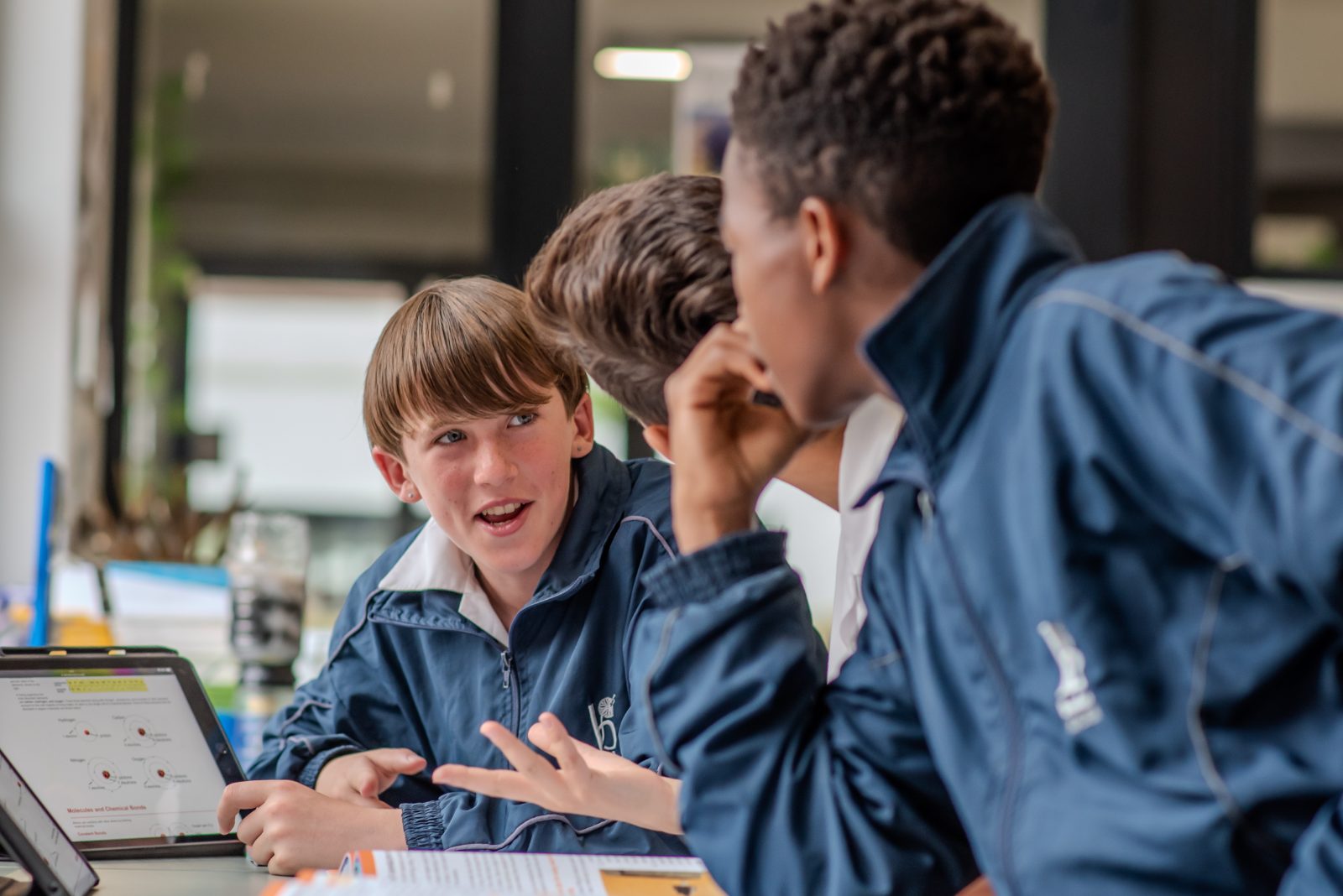
The answer lies in a simple but profound belief: children learn best through relationships.
These pathways are not arbitrary. They emerge from a deep understanding of how human beings learn, grow, and flourish. In many ways, they are a practical expression of what educational thinkers such as Lev Vygotsky discovered: that development happens first through relationships and only later within the individual.
This principle sits at the heart of our constructivist educational philosophy and has its roots in the work of the Russian psychologist Lev Vygotsky, one of the most influential thinkers in modern education. While educational theories come and go, Vygotsky’s insights remain remarkably powerful because they describe something deeply human: we become who we are through our interactions with others. It aligns perfectly with the isiZulu ethos “Umuntu ngumuntu ngabantu” — meaning “a person is a person through other persons”.
Learning is not a solo journey.
Many people imagine learning as something that happens inside a child’s head. A teacher presents information, the child absorbs it, and learning takes place.
But human development is far more relational than that.
Long before a child can solve a problem independently, they solve it alongside someone else. Before they can encourage themselves, someone else encourages them. Before they can think deeply about their own thinking, they experience thoughtful conversations with others.
In Vygotsky’s view, every important mental skill appears twice: first between people, and then within the individual. In other words, the voices children hear around them eventually become the voice they hear inside themselves.
As educators, this is both a responsibility and a privilege.
The power of a kind voice.
Think about the messages children hear every day:
Over time, these external messages become internal ones. The supportive teacher becomes the inner voice of perseverance. The encouraging parent becomes the inner voice of confidence. The patient coach becomes the inner voice that says, “I can improve.”
This is why relationships are not separate from learning. They are the foundation of learning.
When children feel seen, known, and valued, they are far more willing to take the risks that learning requires.
This is also why the first ThriveEd pathway is that of becoming a Deeply Connected Relationship Builder. Strong relationships are not simply a nice addition to education; they are the environment in which learning and growth take place.
Summit Climbers need guides.
Another of our ThriveEd pathways is that of becoming a Summit Climber. Learning is often like climbing a mountain. Children rarely move from not knowing to mastery in a single step. They need support, guidance, encouragement, and carefully structured challenges. Great teachers know how to provide exactly enough support for a learner to succeed without removing the challenge entirely.
Educational psychologists call this the Zone of Proximal Development. We might simply call it the teachable moment — a learning sweet spot. It is where growth happens. Our teachers work intentionally within this space every day, helping children tackle challenges they could not yet accomplish alone until they can.
Habits are built in community.
Many people think habits are purely personal. Research suggests otherwise. Children develop self-discipline, resilience, organisation, and responsibility because these behaviours are first modelled, practised, and reinforced within relationships.
At first, adults provide the structure. Eventually, children internalise that structure and begin regulating themselves.
The goal of education is not dependence on teachers. The goal is independence built through wise guidance. This is why we place such emphasis on helping learners become Habit Champions.
The habits that shape success are rarely developed in isolation. They are nurtured within families, classrooms, teams, and communities.
Learning shapes the brain.
Modern neuroscience has provided fascinating evidence for many of these ideas.
One researcher whose work has deeply influenced our thinking is Maryanne Wolf, author of Proust and the Squid. Wolf studies how children learn to read and what happens inside the brain when literacy develops. Her research shows something remarkable: human beings were never biologically designed to read. Reading is a cultural invention.
To become readers, children must literally build new neural pathways by connecting different areas of the brain. Reading is not simply taught; it is constructed. The brain grows and changes through guided learning, language, conversation, stories, and practice.
What educators have observed for generations is now increasingly visible through neuroscience: learning changes the brain, but relationships help make that change possible.
More than academic success.
Ultimately, our philosophy is not simply about producing stronger academic results, although we certainly value excellence.
- We want our children to build meaningful relationships.
- We want them to climb difficult mountains.
- We want them to develop habits that enable success.
- We want them to contribute positively to the communities around them.
These aspirations are reflected in our ThriveEd pathways to thriving: Deeply Connected Relationship Builders, Summit Climbers, Habit Champions, and Meaningful Contributors.
That is why our school motto, Learning, naturally, means so much more than simply enjoying school. It reflects our belief that learning flourishes when it honours how human beings were designed to grow: through connection, language, challenge, guidance, reflection, and belonging.
At Broadacres Academy, we believe that learning is deeply human — and that positive human connection is what enables children to thrive in life.
More from the school floor.
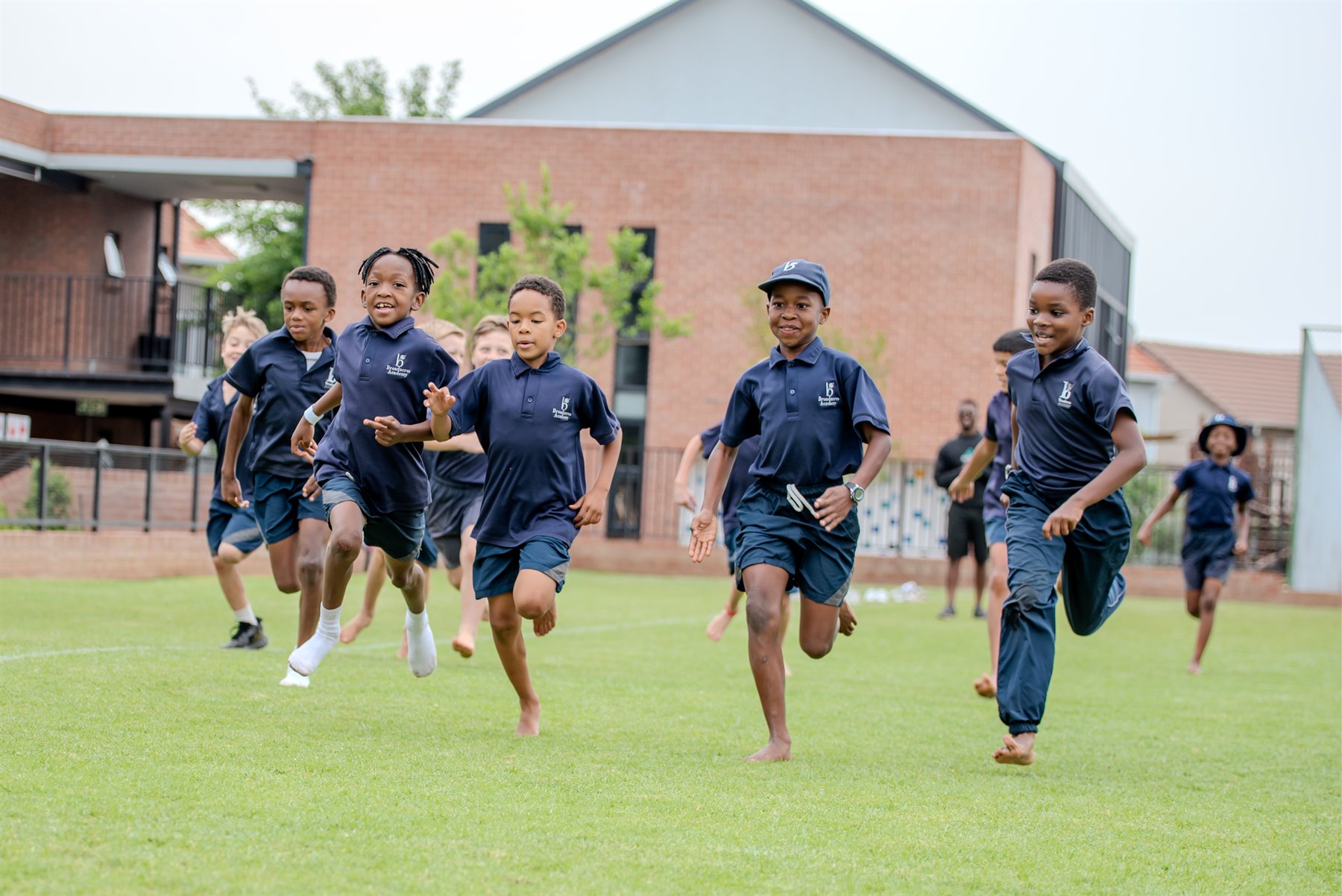
Better together: parents and school.
Strong schools are built on strong partnerships with parents. A reflection on trust, anxiety and control — and how the very best outcomes emerge when families and educators work together.
Read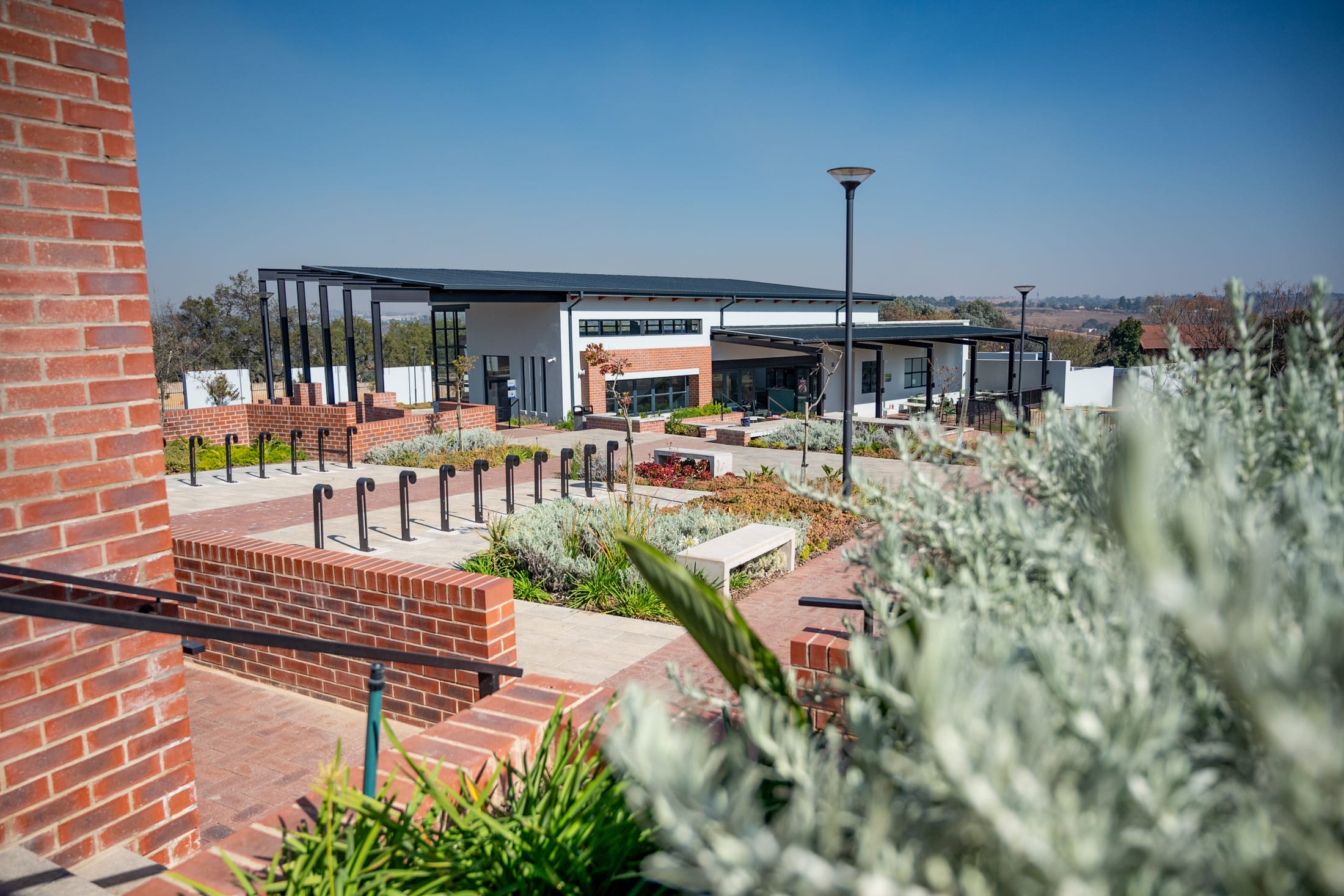
Reflections on the Broadacres Academy campuses.
It is not often that an educator helps shape the very spaces in which young lives are nurtured. A reflection on eight years, three campuses — and what they have taught us about learning, naturally.
Read